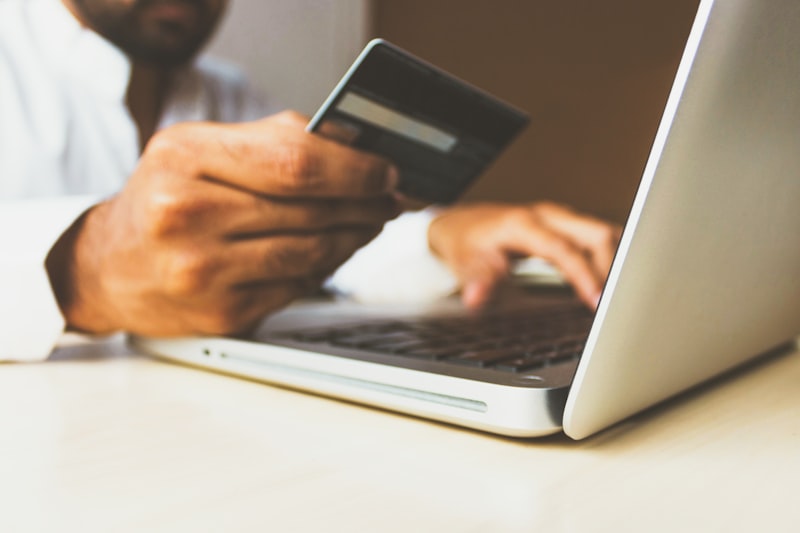
It feels dirty. You build a beautiful website. You list a product. You add a price. You run ads.
But the warehouse is empty. The product is a Photoshop render.
Is this a scam? Is this fraud?
No. This is the **Fake Door Protocol**, and it is the single most effective tool for preventing startup bankruptcy. Companies like Dropbox, Buffer, and Zappos started exactly this way.
But there is a very fine line between "Validation" and "Fraud." Here is how to walk it without getting banned by Facebook or sued by customers.
The Golden Rule: Never Take the Money
This is the line in the sand.
Fraud is taking someone's money for a product you cannot deliver.
Validation is measuring the intent to pay, without processing the transaction.
If you accept a payment on a Fake Door test without explicitly stating it is a pre-order or deposit, you are breaking the law. Do not do this.
The Validatr protocol stops the user before the credit card is charged. We track the click on the "Buy Now" button (which proves intent), and then immediately interrupt the flow.
The Anatomy of an Ethical Fake Door
So, the user clicks "Buy." What happens next determines if they become an angry hater or a future superfan.
You must deliver a "Soft Landing." Do not show a 404 error. Do not redirect them to Google. You need to be honest, immediately.
The "Out of Stock" Pivot
This is the most common technique. When they click Buy, show a modal:
"Wow, you have great taste!"
Unfortunately, we are currently sold out of the initial batch.
We are restocking soon. Enter your email below to get 20% off when we launch.
Why this works:
- It validates demand (they clicked buy).
- It builds scarcity (sold out).
- It captures the lead (email list).
- It treats the user with respect (discount code).
Will Facebook/Meta Ban Me?
This is a common fear. "If I advertise a product that doesn't exist, won't my ad account get shut down?"
Generally, no. Meta cares about user experience. As long as the landing page is high quality, relevant to the ad, and doesn't steal money, you are usually safe.
However, you should avoid "Bait and Switch." Don't advertise a spaceship and land them on a toaster. Ensure your landing page accurately reflects the "product" you are testing.
Case Study: Buffer
Joel Gascoigne, founder of Buffer, wanted to see if people would pay for a Twitter scheduling tool.
He didn't build the tool. He built a landing page describing the tool. When people clicked "Plans & Pricing," they saw a price list. When they clicked a paid plan, they saw a message:
"Hello! You caught us before we're ready. We're still building Buffer. Put your email here to be notified."
He realized people were clicking, but nobody was clicking the Paid plans. So he added a step. He showed the pricing grid first. If they clicked a paid plan, then they got the message.
This proved willingness to pay. Only then did he write the code.
Summary: The Rules of Engagement
- ✓ DO Track the "Add to Cart" or "Buy" click as your primary metric.
- ✓ DO Be honest immediately after the click ("Coming Soon" or "Sold Out").
- ✕ DON'T Take credit card numbers unless you are explicitly running a "Pre-order."
- ✕ DON'T Lie about shipping times.
Test your idea safely.
Use our ethical "Fake Door" templates to validate demand in minutes.
Launch Fake Door Test